
Description
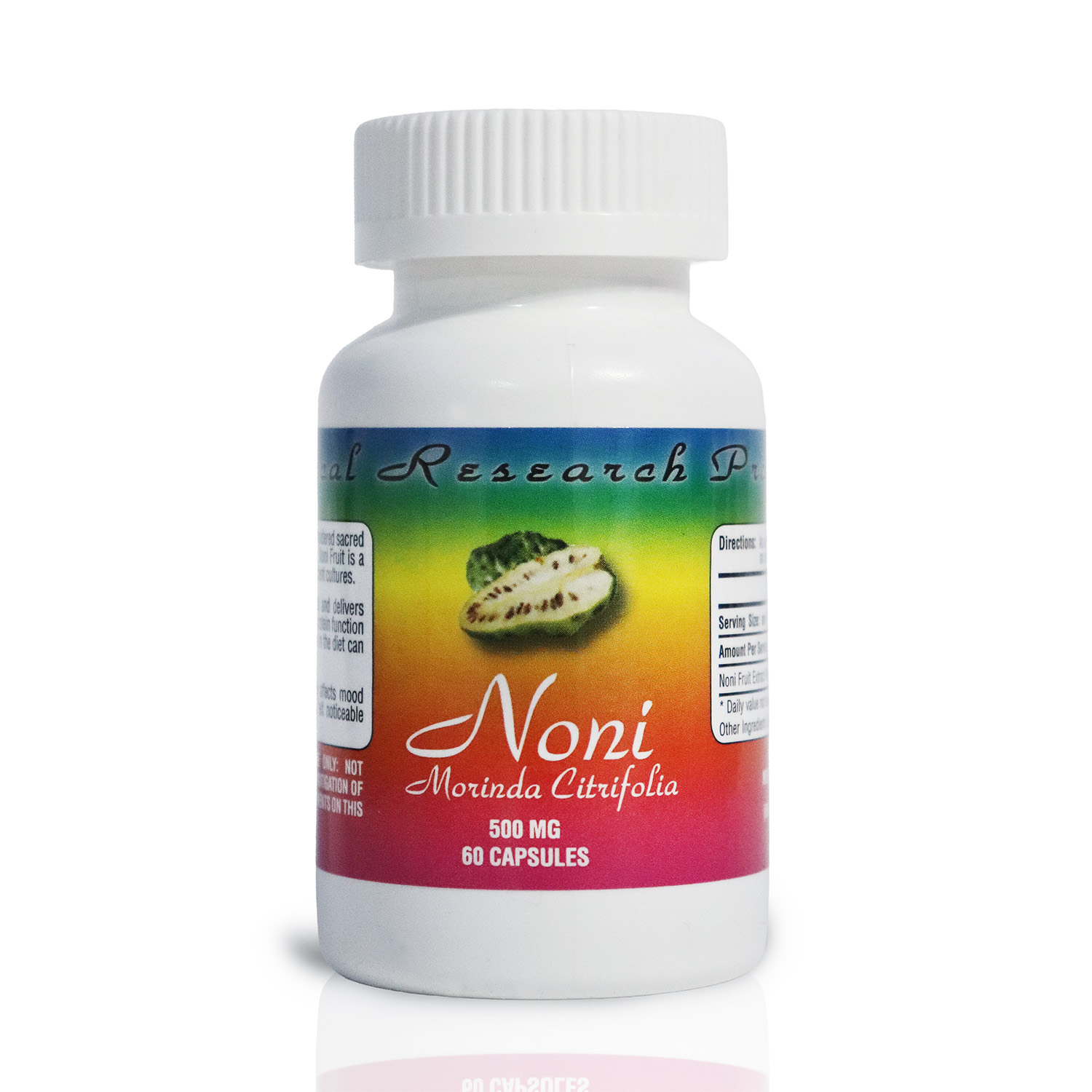
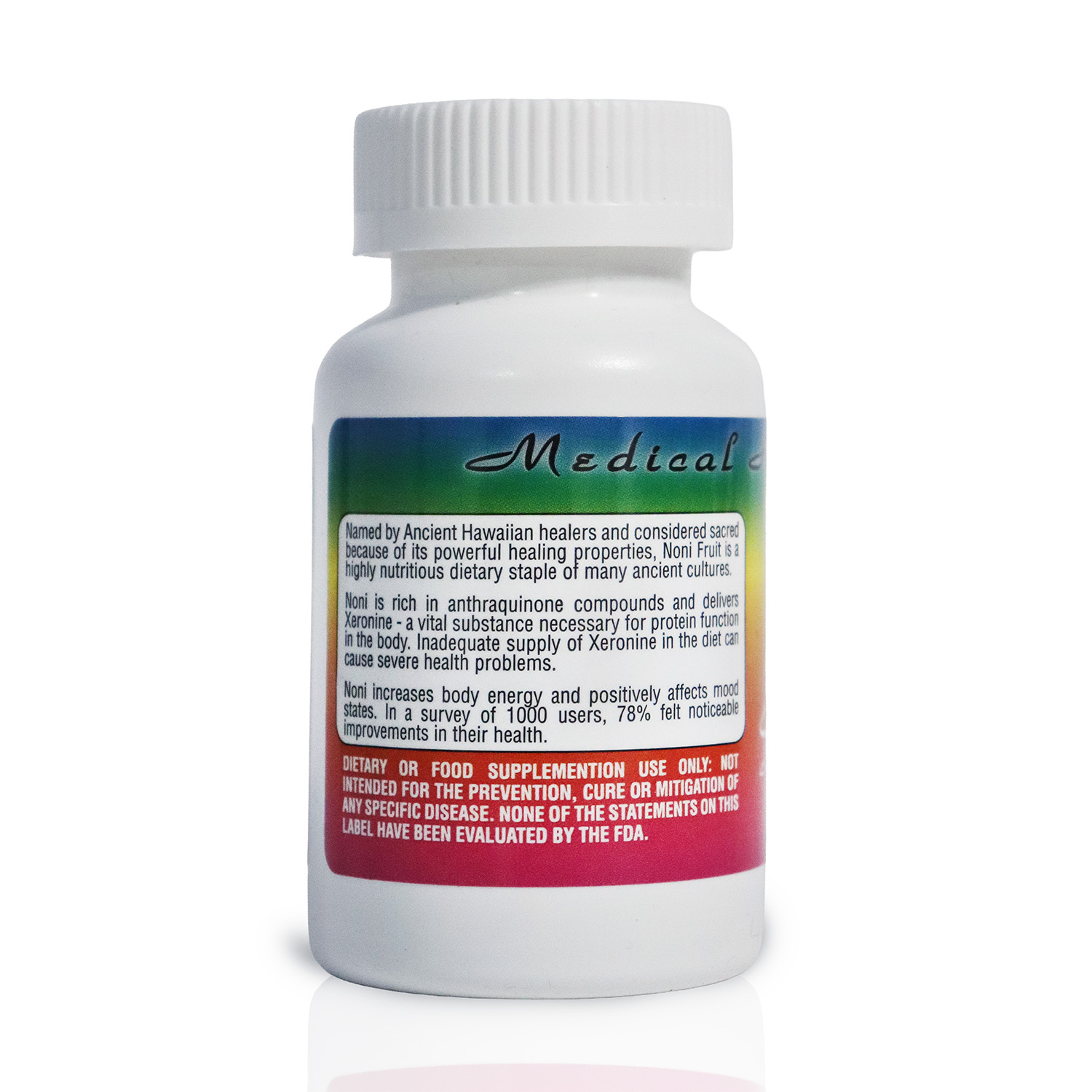
Named by Ancient Hawaiian healers, Noni Fruit is highly
nutritious and a dietary staple in many ancient cultures.
It was considered sacred because of its powerful healing
properties.
Noni is rich in anthraquinone compounds and delivers Xeronine
– a vital substance. Without Xeronine, proteins cannot
function and the body cannot survive. Most people do not
obtain an adequate supply of Xeronine in their diets and as a
result health problems occur. Noni increases body energy and positively affects mood states. In a survey of 1000 users, 78% felt noticeable improvements
in their health.
Noni is traditionally used for wou nd healing, pain, infections, and as a general tonic. Modern research suggests potential benefits include acting as an antioxidant and anti-inflammatory agent, improving endurance and physical performance, providing protection against tobacco-induced cellular damage, and potentially reducing arthritis pain and neck stiffness.
Antioxidant Support: Noni Fruit Extract is rich in naturally occurring antioxidants that help support cellular health. It’s a popular addition to wellness routines focused on oxidative balance and vitality.
Immune Wellness Support: Often included in immune-focused supplements, Noni Fruit Extract supports the body’s natural defenses. It fits well into daily routines for year-round immune resilience.
Joint Health Support: This tropical fruit extract is also used in wellness plans that prioritize joint comfort and mobility. It complements active lifestyles and movement-friendly routines.
Plant-Based Wellness Aid: Noni Fruit Extract offers a natural approach to supporting antioxidant, immune, and joint health. It’s a versatile addition to holistic supplement regimens.
No, noni and soursop are not the same fruit; they are different plants from different families, though they both have traditional medicinal uses and are sometimes referred to by similar regional names, such as noni also being known as “maroon soursop” or “duppy soursop” in some cultures. Soursop, or graviola, is characterized by its creamy white, stringy pulp and spiky green exterior, while noni has a distinct, strong odor and a more knobby appearance.
Noni juice is a tropical drink derived from the fruit of the Morinda citrifolia tree.
Noni (pronounced NO-nee) is a lumpy, mango-sized fruit that is yellow in color. It’s very bitter and has a distinct odor that is sometimes compared to stinky cheese.
Polynesian peoples have used noni in traditional folk medicine for over 2,000 years. It’s commonly used to treat health issues like constipation, infections, pain, and arthritis.
Today, noni is mostly consumed as a juice blend. The juice is packed with potent antioxidants and may offer several health benefit your body, including helping convert food into energy.
Minerals in noni juice include:
- iron
- calcium
- potassium
- copper
- magnesium
- sodium
- zinc
- phosphorous
- selenium
Noni juice is known for its high levels of antioxidants that may be more effective than those of many other common fruit juices.
Antioxidants prevent cellular damage caused by molecules called free radicals. Your body requires a healthy balance of antioxidants and free radicals to maintain optimal health.
Researchers suspect that the potential health benefits of noni juice are likely related to its powerful antioxidant properties.
The main antioxidants in noni juice include beta carotene, iridoids, and vitamins C and E.
Though more research needs to be done on noni juice, studies indicate that a diet rich in antioxidants — such as those found in noni juice — may help lower your risk of chronic conditions like heart disease and diabetes.
Noni juice may have a number of potential benefits. A recent review including 319 adults with chronic health conditions, tried 3 months of noni juice (1/2 cup each day) and 94% felt their health had improved and they felt better during this time.
Still, it’s important to keep in mind that research into this fruit is in its early stages— and more studies are needed on many of these health effects.
May reduce cellular damage from tobacco smoke
Noni juice may reduce cellular damage — particularly from tobacco smoke.
Exposure to tobacco smoke generates dangerous amounts of free radicals. Excessive amounts can cause cellular damage and lead to oxidative stress.
Oxidative stress is associated with many ailments, including heart disease, diabetes, and cancer. Studies show that consuming foods rich in antioxidants may reduce oxidative stress.
In one 2018 study, heavy tobacco smokers drank 4 ounces (118 ml) of noni juice per day. After 1 month, they experienced a 30% reduction of two common free radicals.
However, noni juice does not cancel out all of smoking’s negative health effects — and should not be considered a replacement for quitting.
May relieve pain in people with arthritis
For over 2,000 years, noni fruit has been used in traditional folk medicine for its pain-relieving effects. Some research now supports this benefit.
A 2019 study in mice indicates noni juice has promise in treating rheumatoid arthritis. The study found that in the animal model of rheumatoid arthritis, noni juice was not toxic and showed anti-arthritic activity in the joints.
Arthritis pain is often associated with increased inflammation and oxidative stress. Therefore, noni juice may also provide natural complementary benefits by helping reduce inflammation and combating free radicals.
May improve immune health
Noni juice may support immune health.
Like some other fruit juices, noni juice is rich in vitamin C, containing 9 mg per 30 ml of pure noni juice.
Vitamin C supports your immune system by protecting your cells from free radical damage and environmental toxins.
Many other antioxidants present in noni juice — such as beta carotene — may improve immune health as well.
Noni juice is derived from a Southeast Asian fruit.
It’s particularly rich in vitamin C and may offer anti-inflammatory and antioxidant benefits, such as pain relief and improved immune health. However, more research is needed, as only a few studies have been carried out on this fruit juice so far.
It’s also important to remember that — despite showing some benefits for smokers — noni juice should not be considered a preventive measure for tobacco-related illnesses or a replacement for quitting. It is also not a replacement or “cure” for any condition.
- NONI Juice contains many vitamins, minerals and phytonutrients, including vitamin C, vitamin D, iron, calcium, magnesium, and others. It has been reported to have many health benefits and has been used for centuries as an all natural herbal remedy.
- DAILY BOOST: The natural ingredients of NONI Juice contain powerful bioactive nutrients that work as natural energy boosters. It contains phytonutrients that work synergistically to support your overall wellness and provide your body a boost.
- Noni fruit has been used for centuries for its powerful phytonutrients and adaptogenic properties.
DIETARY OR FOOD SUPPLEMENTION USE ONLY:
NOT INTENDED FOR THE PREVENTION, CURE OR
MITIGATION OF ANY SPECIFIC DISEASE.
NONE OF THE STATEMENTS ON THIS LABEL HAVE
BEEN EVALUATED BY THE FDA.



There are no reviews yet.